
Why Regular Fire Extinguisher Refilling Matters for Building Safety
Why Regular Fire Extinguisher Refilling Matters for Building Safety
Fire extinguishers are among the first safety tools used when a fire starts inside a building. In offices, warehouses, apartment towers, retail spaces, and industrial facilities, they help control small fires before the situation becomes more serious. But an extinguisher is only useful if it works properly at the moment it is needed.
One of the most common assumptions in buildings is that an extinguisher remains ready as long as it is mounted on the wall and has never been used. In reality, pressure levels can drop slowly over time, internal components can weaken, and extinguishing agents may lose effectiveness if servicing is ignored. That is why regular refilling and inspection remain an important part of building safety management.
Many businesses work with experienced Fire and safety companies in Abu Dhabi to ensure extinguishers stay compliant, properly serviced, and ready for emergency use.
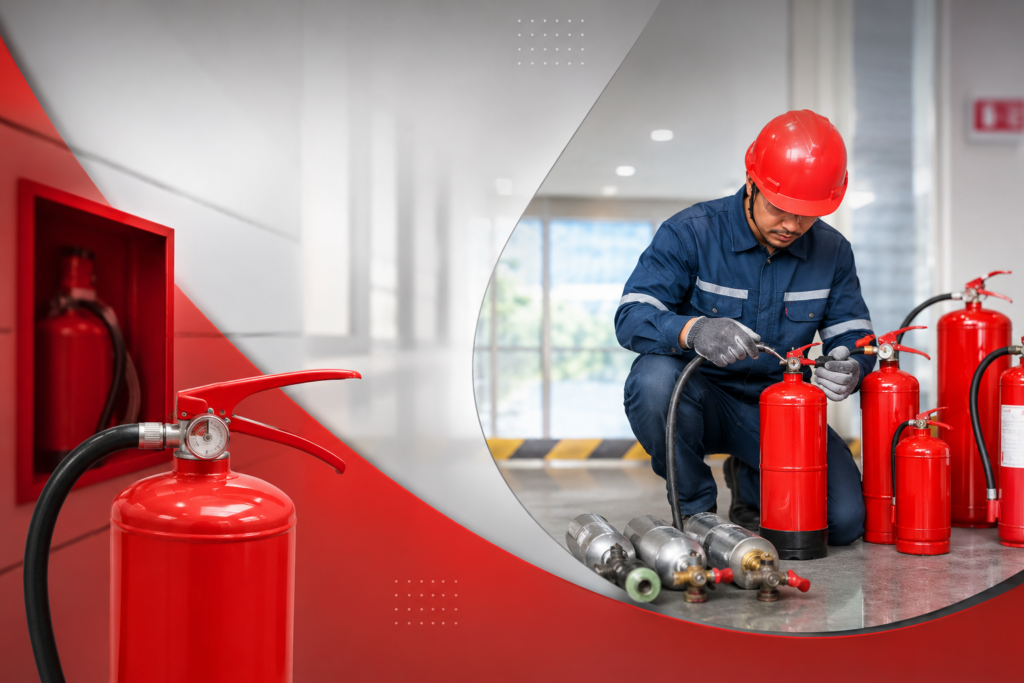
One of the most common assumptions in buildings is that an extinguisher remains ready as long as it is mounted on the wall and has never been used. In reality, pressure levels can drop slowly over time, internal components can weaken, and extinguishing agents may lose effectiveness if servicing is ignored. That is why regular refilling and inspection remain an important part of building safety management.
Many businesses work with experienced Fire and safety companies in Abu Dhabi to ensure extinguishers stay compliant, properly serviced, and ready for emergency use.
Fire Extinguishers Do Not Stay Reliable Forever
Even unused extinguishers can develop problems over time.
Pressure leakage is one of the most common issues. Small losses inside the cylinder may not be noticeable during daily operations, but during an emergency, the extinguisher may fail to discharge properly. Dry chemical extinguishers can also develop compacted powder caused by humidity and temperature changes, making the discharge weaker or completely blocked.
In some cases, corrosion develops inside steel cylinders without visible signs from the outside. Hoses may crack, valves may weaken, and gauges may stop showing accurate pressure readings. These issues usually go unnoticed until the extinguisher is tested or used.
Routine refilling and servicing help detect these problems early and restore proper operating condition.
Why Refilling Is Required After Any Use
Even a short burst from an extinguisher affects internal pressure balance.
After partial discharge, the remaining agent may no longer perform as intended. A small pressure loss can reduce spray range and weaken suppression capability. In emergency situations, this delay can make a major difference.
For this reason, extinguishers should be refilled immediately after use, even if only a small amount was discharged. Professional servicing also includes pressure checks, valve inspection, leak detection, and condition assessment before the extinguisher is returned to service.
Reliable Fire and safety companies in abu dhabi generally recommend immediate recharge instead of waiting for the next scheduled inspection.
The First Few Minutes of a Fire Are Critical
Many fire incidents become severe because the initial response failed.
A properly maintained extinguisher can help stop flames before they spread to electrical systems, furniture, stored materials, or escape routes. In commercial buildings and high-occupancy facilities, those first few minutes are extremely important for evacuation and damage control.
When extinguishers are poorly maintained, common failures include:
- low discharge pressure
- blocked nozzles
- hardened chemical powder
- damaged valves
- Incorrect extinguisher types for the fire risk
These failures are often discovered only during emergencies, when there is little time to react.
Buildings that follow regular servicing schedules usually report much better first-response reliability during fire incidents.
Compliance Is Also a Major Factor
Fire extinguisher maintenance is not only about safety. It is also part of regulatory compliance.
Commercial properties are generally required to maintain inspection records, servicing documentation, pressure testing schedules, and valid maintenance tags for fire extinguishers. Annual servicing and periodic inspections are standard safety requirements in many facilities.
Missing inspections or overdue refilling can create problems during audits and safety checks. In some cases, it may also affect insurance claims after a fire incident.
This is one reason many businesses choose a professional Fire and safety company in Abu Dhabi to manage ongoing inspection and maintenance schedules.
Common Signs an Extinguisher Needs Attention
Several visible warning signs may indicate servicing or refilling is overdue:
- pressure gauge below the green level
- damaged safety seal or missing pin
- corrosion around the cylinder or valve
- powder residue near the nozzle
- blocked or cracked discharge hose
- expired inspection tags
These issues may appear minor, but can directly affect extinguisher performance during emergencies.
Regular inspections help identify these conditions before the equipment becomes unreliable.
Different Extinguishers Require Different Servicing
Different fire extinguishers are designed for different types of fire hazards.
ABC dry powder extinguishers are commonly used for general fire protection, while CO2 extinguishers are preferred near electrical equipment. Foam extinguishers are often used for flammable liquid risks, and water-based units are intended for ordinary combustible materials.
Each type has different servicing requirements, refill methods, and testing schedules. Pressure stability, chemical condition, and cylinder integrity must all be checked carefully during maintenance.
Professional Fire and safety companies in Abu Dhabi generally assess whether the installed extinguisher types are suitable for the specific fire risks within the building, as part of effective fire safety planning.
Hydrostatic Testing Helps Prevent Cylinder Failure
Proper extinguisher safety requires more than just refilling.
Over time, cylinders may weaken because of corrosion, internal moisture, or repeated pressure exposure. Hydrostatic testing checks whether the cylinder can safely handle operating pressure without leaking or rupturing.
Depending on the extinguisher type and regulations, testing may be required every few years as part of long-term maintenance. This process helps identify hidden structural weaknesses that cannot be seen during basic visual inspection.
Although many building occupants rarely notice this process, it plays an important role in overall extinguisher safety.
Regular Refilling Also Helps Reduce Costs
Replacing extinguishers unnecessarily increases long-term maintenance costs for buildings and facilities.
In many cases, professional refilling and servicing cost significantly less than purchasing new units. Proper maintenance also helps extend equipment lifespan while maintaining safety standards and compliance requirements.
For buildings with large numbers of extinguishers, planned servicing schedules can reduce long-term costs while keeping fire protection systems ready for emergencies.
Building Safety Depends on Consistent Maintenance
Visible inspection tags, properly serviced extinguishers, and routine maintenance schedules help create confidence in a building’s safety standards.
In workplaces, residential towers, hospitals, schools, and commercial facilities, occupants expect fire protection equipment to function properly during emergencies. Regular servicing is one of the simplest but most important parts of maintaining that readiness.
Fire safety systems are often ignored when everything appears normal. The problem usually becomes visible only when equipment fails during an emergency.
Conclusion
Fire extinguishers remain one of the most important first-response tools in any building, but their effectiveness depends on regular inspection, servicing, and refilling. Pressure loss, corrosion, blocked discharge systems, and chemical degradation can all affect performance over time, even in extinguishers that appear unused.
Regular maintenance helps ensure extinguishers remain reliable, compliant, and ready to respond during emergencies. It also supports safer building environments, reduces equipment failure risks, and helps prevent small incidents from becoming major losses.
For businesses and property owners, working with experienced Fire and safety companies in Abu Dhabi helps ensure fire extinguishers continue to meet safety requirements and remain prepared when immediate response matters most.